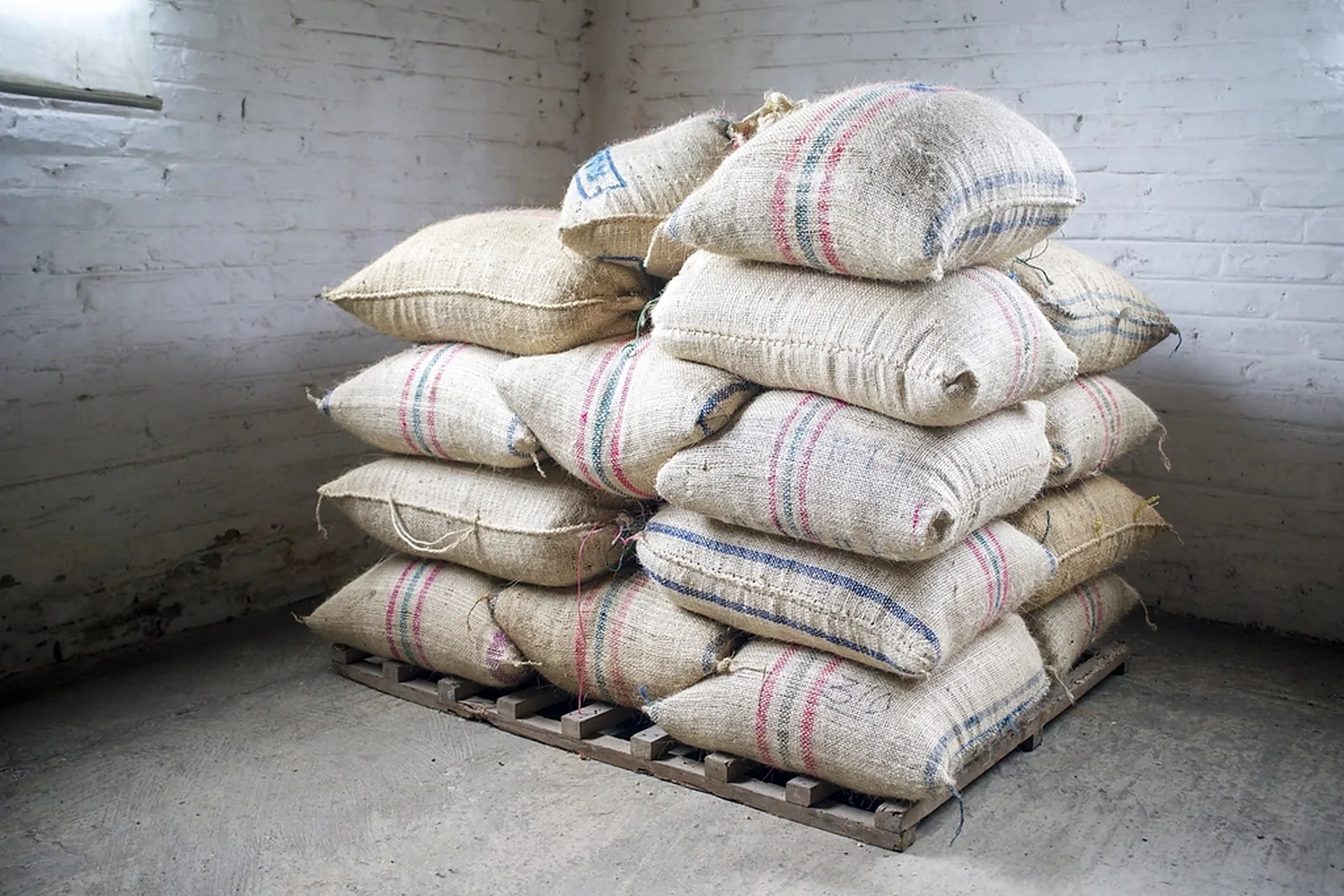
Build Your Moringa Powder RFQ & Get a Quote
Tell us what you need to source. We reply on WhatsApp with grade options, indicative FOB ranges and lead times, and match you to vetted Indonesian moringa growers. Wholesale, bulk and private label.
Pricing by quote, no obligation. FOB ranges and lead times confirmed per order. We coordinate vetted growers and independent lab testing.
What We Source
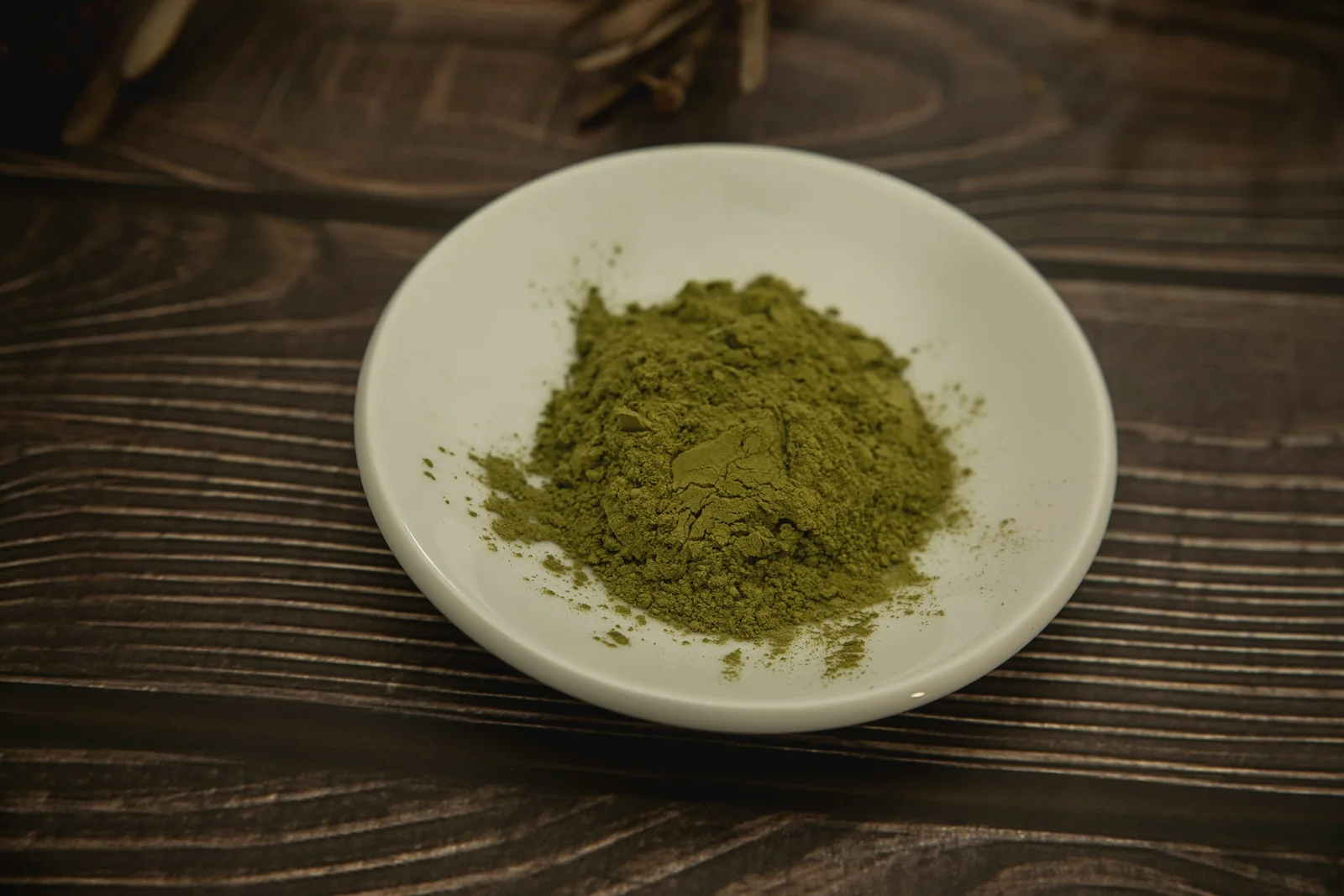
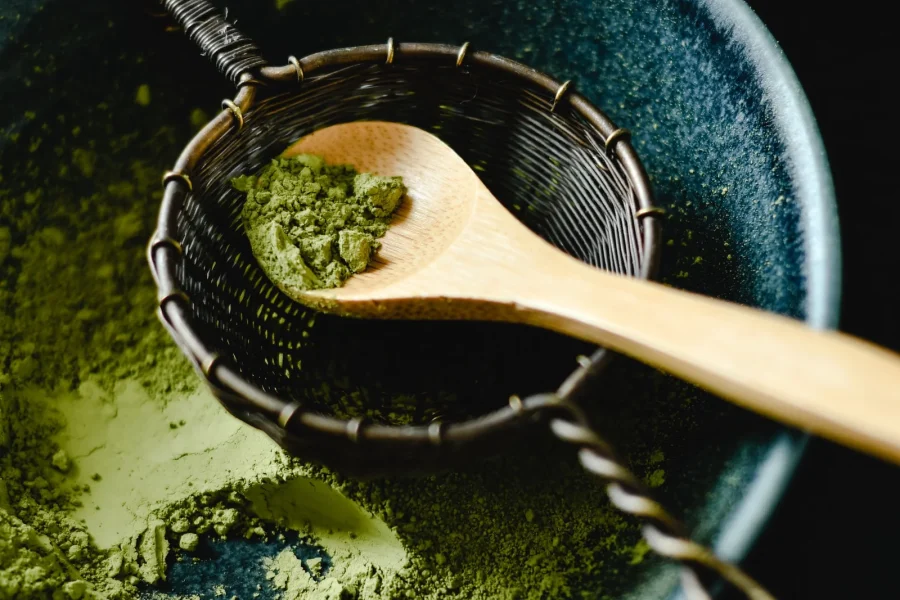
Shade-dried, milled Moringa oleifera leaf powder from Indonesian growers — matched to your grade, certification and volume. We are an independent sourcing desk, not a manufacturer, and we quote honestly.
Wholesale
Explore wholesale →Organic
See organic →Private Label
For brands →Grades & Spec
Read the specs →Sourcing With Confidence
From sample to sealed container — the logistics, lab facts and indicative pricing, decoded. Figures are indicative ranges only [VERIFY]; FOB per-kg varies by grade, certification and volume, and is confirmed by quote with the supplier and your broker.
Export & Freight
How shipping works →Lab Testing
See testing →FOB Price
View pricing →Samples
Request a sample →Why Moringa Powder Supplier
Independent
We are a sourcing desk, not a mill or freight-forwarder. Our job is to match your spec to the right grower — not to push our own stock.
Vetted Partner
We connect you to vetted Indonesian moringa suppliers and arrange supply through them — with samples and documentation before any volume commitment.
Honest Pricing
FOB per-kg is shown as indicative ranges [VERIFY], confirmed by quote. We never invent endorsements, certifications or numbers we cannot stand behind.
Smart Logistics
Moringa is a light, bulky dried botanical — we plan MOQ in kg, packaging and sea-freight so a container actually pencils out for your market.
How Sourcing Works
How a quote works.
Tell us your need
Grade, mesh and colour, certification (organic, residue and microbial limits), target market, MOQ and destination port.
Curated shortlist + indicative quote
We come back with a curated shortlist of vetted suppliers, sample availability and an indicative FOB per-kg range [VERIFY] for your volume.
We arrange via vetted partner
You approve a sample; we arrange supply through the vetted partner, with lab results and export paperwork. We coordinate; they produce and ship.
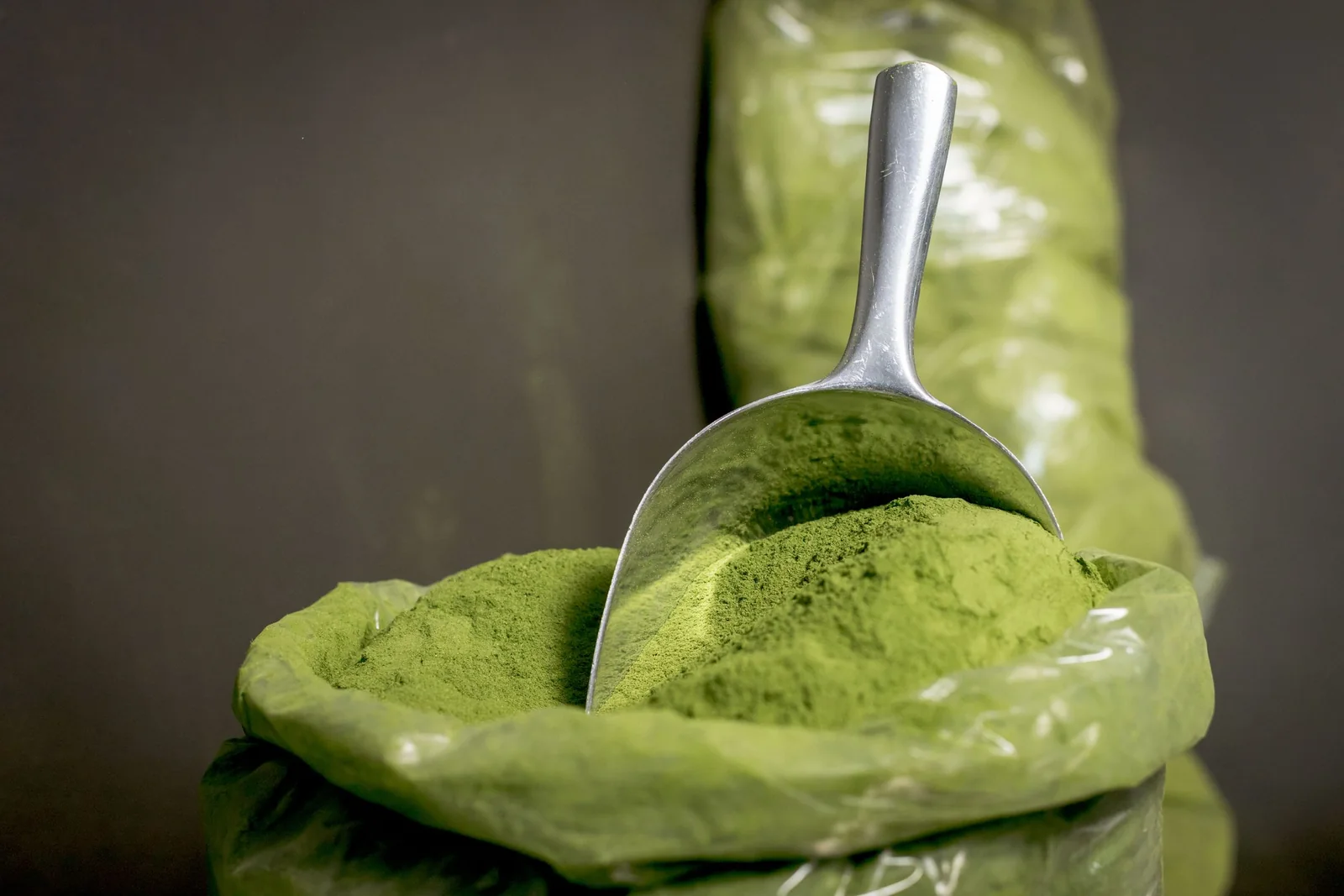
A moringa powder supplier is any processor or exporter that produces dried, milled Moringa oleifera leaf powder from whole leaves and sells it in bulk to food, supplement, or cosmetic brands. This site is not one of them. We are an independent sourcing desk based in Indonesia, writing from the buyer side of the trade, and our job is to help US, EU, and Australian brands specify the product correctly, read a certificate of analysis without getting fooled, and avoid the supply-chain pitfalls that are quietly taking down import programmes right now — including live FDA Salmonella outbreak investigations linked to imported moringa leaf powder [VERIFY with FDA.gov before acting]. When a serious buyer is ready for quotes, samples, or a contract, we route that enquiry to a vetted Indonesian processing partner. If a deal closes, our partner may pay us a referral arrangement. We disclose that plainly because transparency about business models is the entire point of this desk.
What to Expect on Grade, MOQ and Price
Our team works with moringa growers and leaf processors across Indonesia, and we recommend buyers budget against real, supplier-reported ranges rather than headline figures. As an indicative guide, food-grade leaf powder commonly quotes around USD $4–$9 per kg FOB, with certified-organic and finer-mesh lots higher [VERIFY with the supplier and a recent COA]. Minimum orders typically start near 50–200 kg for first trials and rise to 500 kg–1 tonne+ for container programs; dried leaf powder is light and bulky, so per-kg FOB falls as volume rises. Grade is driven by mesh/particle size, leaf colour and moisture (premium lots are usually kept below ~7.5% moisture), and every binding price, spec and lead time comes only from a producer’s pro-forma invoice and a current certificate of analysis. Importers to the US/EU should confirm pesticide-residue, microbial and heavy-metal limits with an accredited lab and their customs broker before ordering. When you are ready, we route your RFQ to a vetted partner on WhatsApp +62 811 3941 4563; our help is free and they may pay us a referral fee at no extra cost to you.
What This Sourcing Desk Actually Does
The moringa category is dominated by two editorial voices: vertically-integrated exporters writing their own product pages, and Indian exporter SEO blogs optimised for search engines rather than for the buyer sitting across a purchase-order table. Neither group will tell you which colour deviation on a COA signals over-roasted leaf. Neither will walk you through what “absent in 25 g” means for Salmonella and why your supplement brand’s liability turns on that line. We will.
The model is simple. We publish buyer-side guidance across this site — grades, lab-testing protocols, supplier-vetting checklists, regulatory compliance notes by destination market. Buyers read, use the free guidance, and either leave better equipped to source independently or reach out for a referral to our vetted Indonesian processing partner. The partner handles quotes, samples, production batches, and export documents. We handle the pre-qualification and the introductory brief. The partner pays us a referral fee if a deal closes; you pay nothing extra for the introduction. No one pays us to change what we publish.
What we do not do: we do not own a farm, lease a drying shed, or operate a mill. We are not a freight forwarder. We cannot issue certificates and we do not hold physical stock. All regulatory mentions on this site — HS codes, FDA registration requirements, EU contaminant limits — are information to verify with your own licensed broker and legal counsel, not advice.
Ready to brief us on your spec? Send your requirements to our enquiry form at our enquiry form or reach us by WhatsApp at +62 811-3941-4563. We route serious enquiries within one business day.
Why Source Moringa Leaf Powder from Indonesia
India is the dominant exporter. The common claim of roughly 80% of world moringa leaf production originating in India is a frequently cited figure — the Tamil Nadu states of Erode, Dindigul, and Madurai are the heartland — though the precise global share depends on which dataset and year you use. India has built the organic certification infrastructure to match: USDA NOP and EU organic-certified processors are easier to find there than anywhere else in the category.
Indonesia is a smaller, more recent exporter. The honest case for Indonesian-origin powder is not that it is always cheaper — we have no verifiable multi-source FOB benchmark to publish, and we will not invent one. Confirm FOB pricing directly with any supplier. The case rests on a different combination of factors.
Climate and Drying Culture
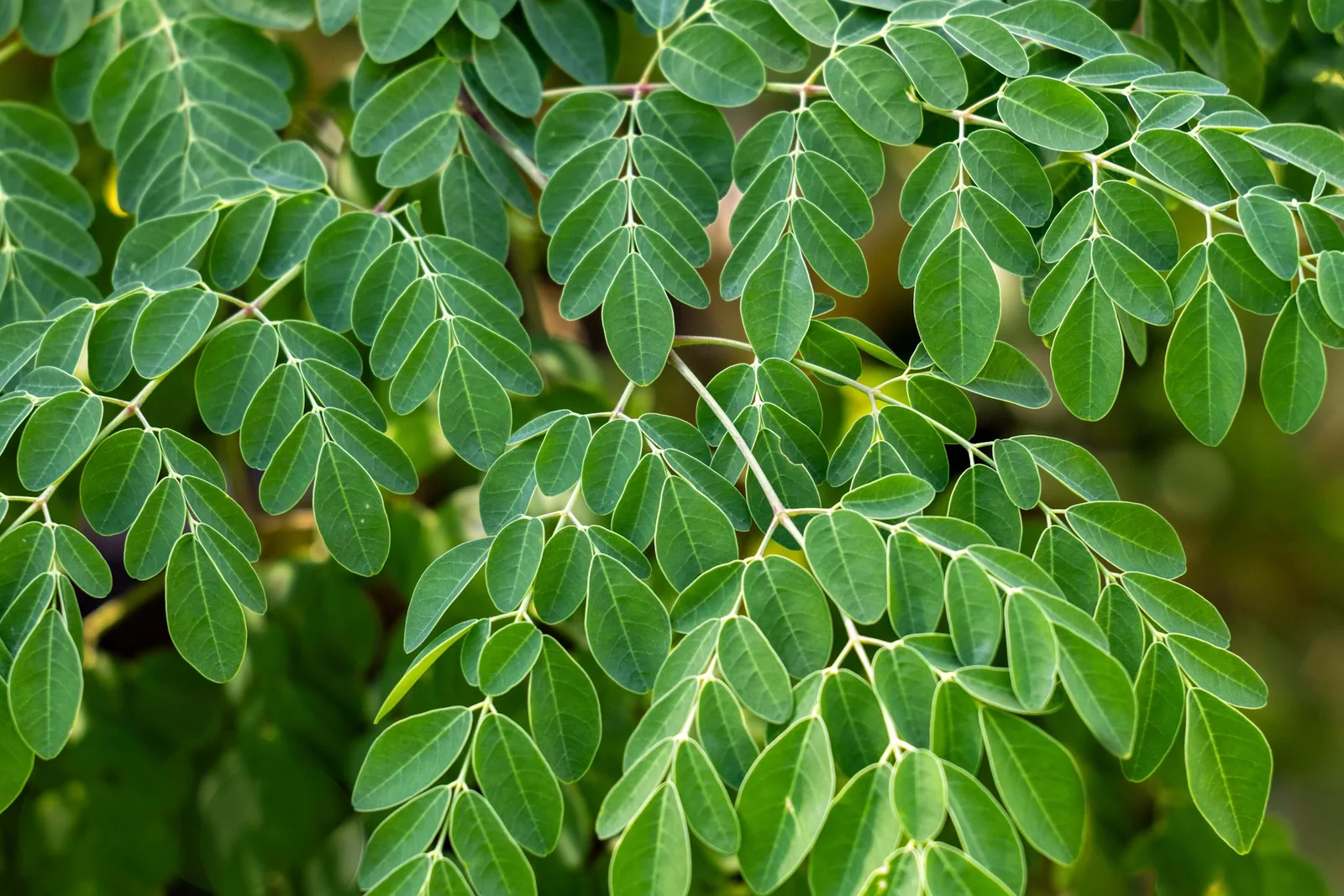
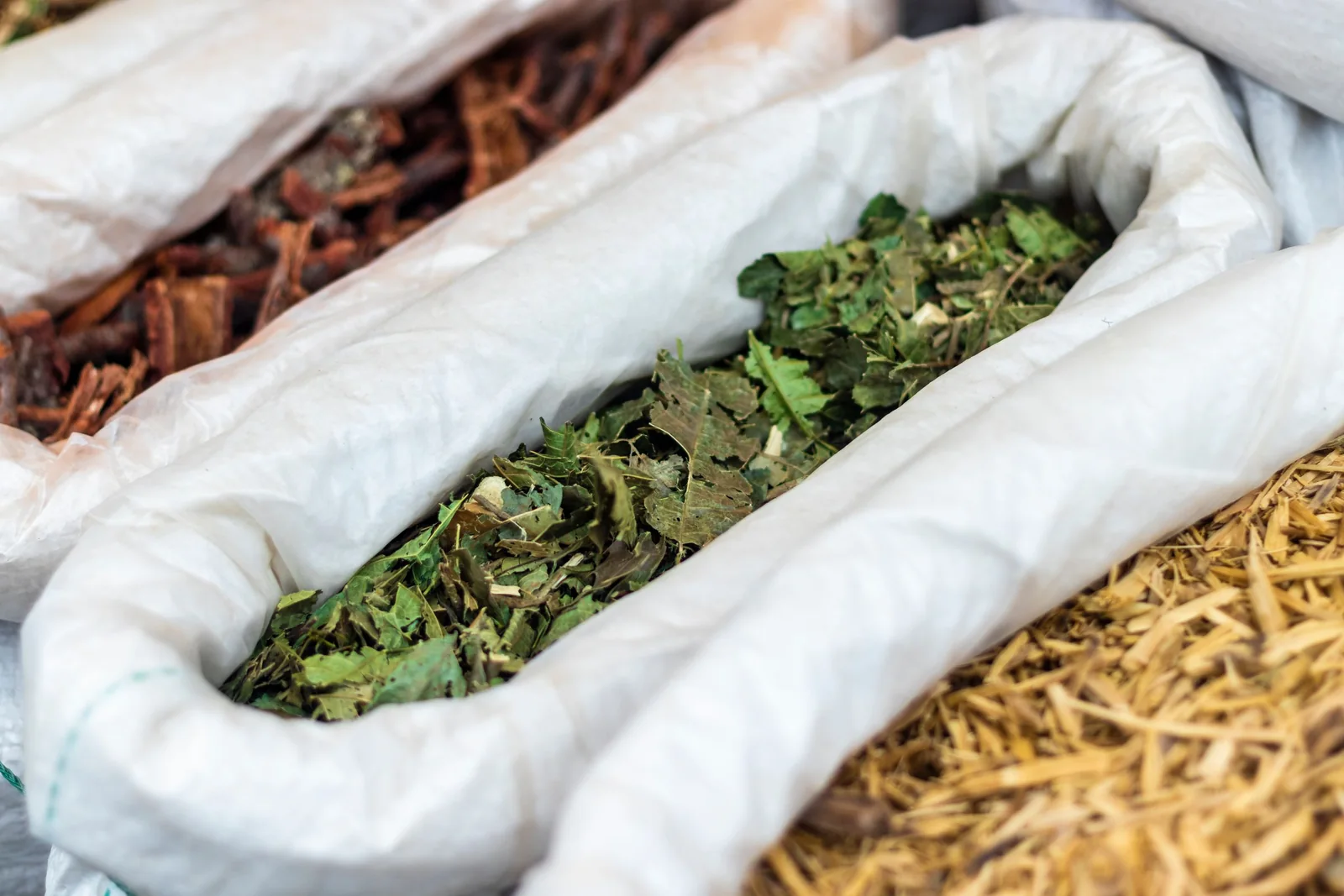
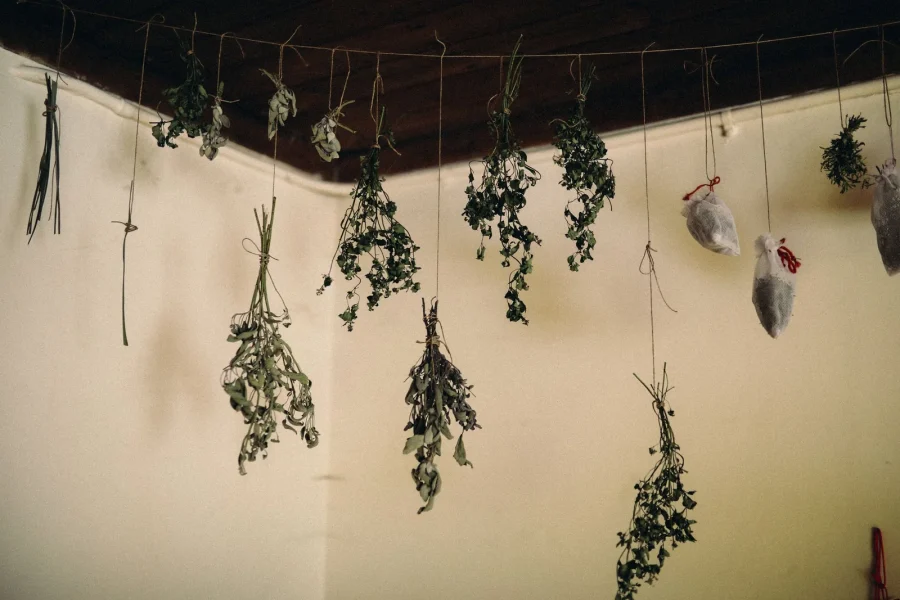
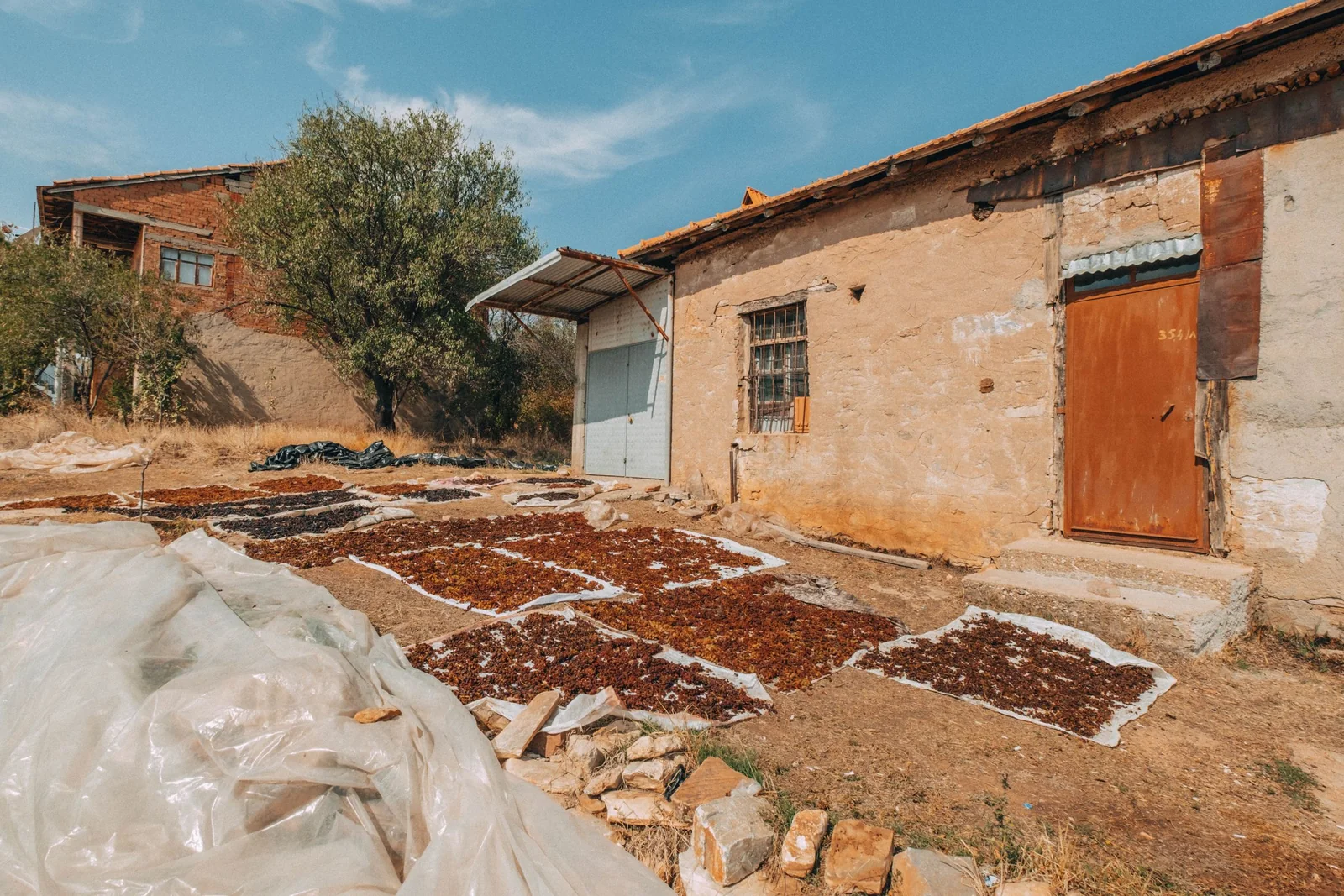
Moringa oleifera grows across Indonesia’s equatorial belt, including in the eastern islands of Nusa Tenggara Timur (NTT) and Flores, where harvests are not compressed into seasonal windows the way they are in drier Tamil Nadu production systems. The shade-drying practice documented in CGIAR extension literature — drying at 35–55°C on wire mesh, two to three days until brittle, avoiding direct sunlight to protect chlorophyll and reduce enzymatic browning — is consistent with how quality-oriented Indonesian processors approach the drying step. That matters for colour. A buyer spec that calls for bright-to-dark green powder is asking, implicitly, for low-temperature shade processing. Sun-dried, over-heated, or poorly stored leaf browns faster and loses measurable chlorophyll. When you are buying for a premium supplement brand where appearance on-shelf is part of the consumer value proposition, the drying protocol is not a small footnote.
Indonesia Is Genuinely Understudied
Most English-language sourcing content about Indonesian moringa is thin, fragmented, and poorly verified. That is a gap, not an asset — buyers who cannot read a supplier’s story have to do more due diligence themselves. Our desk exists partly to fill that gap with grounded, honest analysis. The Indonesian supplier community [VERIFY specific company details independently] includes processors in Java, NTT, and Flores who have begun building HACCP and FSSC 22000 food-safety systems and, in some cases, USDA and EU organic certification. But capabilities vary sharply between facilities. The vetting step matters more in a newer supply base than in an established one.
The Specification You Need Before You Talk to Any Supplier
The most common sourcing mistake we see: buyers issue an RFQ with no written specification, receive several COAs that look similar, and then discover after three production runs that their in-house QC team is comparing incompatible parameters. A defensible moringa spec has at minimum six dimensions.
Mesh (Particle Size)
Mesh sizing for moringa is not standardised across the trade in the way it is for some industrial commodities. The ASTM/EU sieve equivalents most commonly used in herbal trade are: 60 mesh ≈ 250 µm (coarse, suitable for teas and rough blends), 80 mesh ≈ 180 µm (common beverage-grade), 100 mesh ≈ 150 µm (drink mixes, some capsule fills), 200 mesh ≈ 75 µm (very fine; energy-intensive to produce, not universally available from all mills). If you are filling capsules, 100 mesh or finer and consistent flow properties matter for encapsulation line throughput. Specify it in microns AND mesh and ask the supplier for a particle-size distribution report, not just a pass-fail sieve statement.
Moisture
CGIAR post-harvest guidance targets below 7.5% moisture for export-appropriate leaf powder dried at 50°C. The general herbal trade often accepts up to 8–10%. Higher moisture is a Salmonella and mould risk in transit, particularly in the humid conditions of maritime container shipping. Water activity (aw) below 0.60 is the more meaningful shelf-stability parameter, but most COAs report loss-on-drying (LOD) instead. Require LOD per batch, and ask what the aw is if the product is destined for regions with warm, humid distribution chains.
Protein Content
A defensible protein range for dry moringa leaf powder is 24–30 g per 100 g dry weight, based on multiple analytical sources. Claims above 30–35% are location-specific, method-specific, or marketing-inflated. Insist the supplier declare the analytical method (Kjeldahl or Dumas combustion) and run your own confirmatory protein analysis on the first commercial shipment via a third-party lab. The number varies with soil, leaf age at harvest, and drying temperature. No single figure holds across all batches.
Microbial Limits
The buyer-spec ranges we see most often for dried botanical powders: total plate count (TPC/APC) 10,000–1,000,000 CFU/g; yeast and mould 100–10,000 CFU/g; E. coli absent in 1 g or below 10 CFU/g; total coliforms below 1,000 CFU/g. These are buyer specifications, not moringa-specific regulations — the legal anchor is Salmonella: absent in 25 g under EU Regulation (EC) 2073/2005 for ready-to-eat foods. Because moringa powder is routinely consumed raw — stirred into smoothies, dissolved in water, consumed without a cooking step — it is treated as a ready-to-eat product, and the Salmonella standard applies in both EU and US import pathways. Verify the current enforcement position with your regulatory counsel and customs broker before importing.
Heavy Metals
EU contaminant limits under Regulation (EU) 2023/915 set lead at 3.0 mg/kg for food supplements. Fresh-herb reference limits (0.10 mg/kg wet weight) apply to leaf vegetables, but dried leaf powder is assessed using a moisture-concentration factor under Article 3 of the regulation — the exact factor is authority-dependent and not universally harmonised, so verify with your EU legal counsel what limit your specific product category falls under. As a conservative buyer target (not EU law, just prudent internal spec): lead ≤1.0–2.0 ppm, cadmium ≤0.2–1.0 ppm, arsenic ≤1.0 ppm, mercury ≤0.1 ppm. If you sell in California, Proposition 65 imposes warning obligations below these levels — your legal team, not this desk, sets your internal thresholds for that market.
The method matters: ICP-MS gives you better detection limits and speciation capability than older AAS methods, and for arsenic you ideally want total arsenic plus inorganic arsenic separately. Not all suppliers test at this level. Ask.
Leaf Powder vs. Extract Powder
This is the single most frequent mislabelling category in the moringa category. Leaf powder is whole milled dried leaf — the full fiber, mineral, and protein matrix, no solvent step. Extract powder (also called standardised dry extract) goes through a water or hydro-ethanolic extraction stage, spray-dried to a defined marker compound — typically expressed as a ratio (e.g., 10:1) or as a percentage of polyphenols, isothiocyanates, or flavonoids. Extracts have lower fibre content, higher actives per gram, and a very different regulatory posture under DSHEA and EU Novel Food rules. The COA must explicitly state which it is. If a COA says “moringa powder” without specifying “leaf powder” or “standardised dry extract,” that is a red flag worth querying before purchase.
Need help building a specification sheet for your application? Visit our enquiry form and tell us your end-use — capsules, beverage, cosmetic — and we will route you a specification framework matched to your product type.
The Salmonella Risk You Need to Know About
Multiple FDA outbreak investigations in 2025 and 2026 have been linked to imported moringa leaf powder, including involvement of an extensively drug-resistant (XDR) Salmonella strain [VERIFY each investigation and current status at FDA.gov before making sourcing or communications decisions]. The Philippines FDA issued a related advisory (2026-0405) [VERIFY]. These investigations are ongoing; their scope, implicated origins, and current enforcement posture are facts to confirm in real time with your regulatory affairs team, not on a sourcing desk website.
What we can tell you, grounded in food-safety literature, is how to spec against the risk:
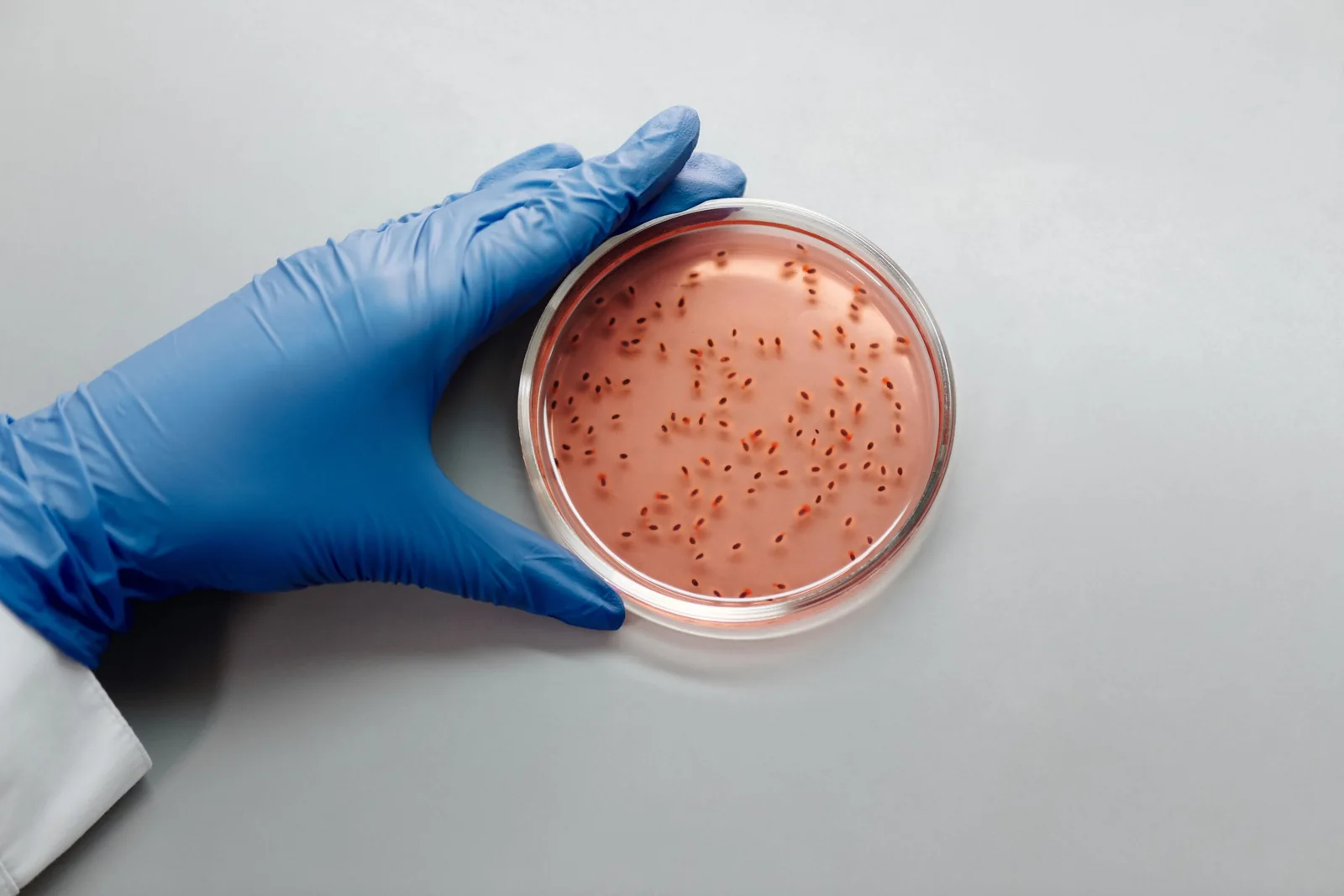
- Salmonella absent in 25 g is the minimum COA pass standard for any lot destined for ready-to-eat use. This must be a per-batch result, not a once-yearly audit result. Ask for the test date, the lab name, and the method. An ELISA screen is a starting point; a PCR confirmation adds confidence; a cultural (ISO 6579 or FDA BAM) method is the gold standard and what EU regulators use in border inspections.
- Sterilisation disclosure: ask whether the lot was steam-sterilised, irradiated, or neither. Steam sterilisation reduces Salmonella and other pathogens effectively but can shift colour toward olive-brown and reduce heat-sensitive compounds. Irradiation achieves excellent pathogen reduction with better colour and flavour retention, but EU imports of irradiated food carry a mandatory label declaration (“treated with ionising radiation” or “irradiated”) under EU Directive 1999/2/EC. Whether moringa leaf powder sold as a supplement rather than a seasoning clearly falls within the EU-approved irradiated food categories is not explicit in current EU law — get national-authority confirmation before routing irradiated lots to EU customers. ETO (ethylene oxide) fumigation is effectively prohibited for EU-bound product; the default EU MRL for non-listed substances effectively bans it at any commercially detectable level.
- Sample-vs-production bait-and-switch: this is where Salmonella risk often materialises. A supplier sends a clean, third-party-tested sample from a controlled production run. The commercial order ships from a different production batch, sometimes from a different subcontractor facility, with less rigorous process control. Require that your purchase agreement specifies third-party testing of the production lot, not the sample lot. Specify that the test must be conducted by a lab of your choosing or a mutually agreed GFSI-accredited laboratory, and insist on receiving the COA before the shipment leaves port — not after it clears customs.
Pricing and Minimum Order: What Is and Is Not Known
We will not publish specific Indonesia FOB pricing because there is no reliable, multi-source benchmark available to us at the time of writing, and inventing one would harm rather than help you. What we can tell you, from trade listings and thin sourcing that should be treated as indicative-only:
| Origin | Conventional Bulk FOB (indicative) | Organic | Reliability of figure |
|---|---|---|---|
| India | Roughly USD 8–15/kg (based on limited listing + one trade-press source; volatile) | At or above the upper band of conventional — exact organic FOB not published by multiple verifiable sources | Low-medium. Confirm before budgeting. |
| Indonesia | No verifiable multi-source USD/kg figure available | Confirm with supplier | Confirm with supplier — do not budget from this page |
| Sri Lanka | No reliable independent benchmark available | Confirm with supplier | Confirm with supplier |
For context on scale: Indian processors commonly set MOQs in the range of 250–500 kg for bulk powder (multiple B2B listings confirm this band; some list 50 kg minimums, others 500 kg). Indonesian MOQs are not reliably published in public-facing sources — this is a confirm-with-supplier data point. If you are a small brand buying below 100 kg per run, that changes your conversation significantly; a sourcing desk that can aggregate smaller orders through a processor relationship is more useful to you than a direct-to-factory cold outreach.
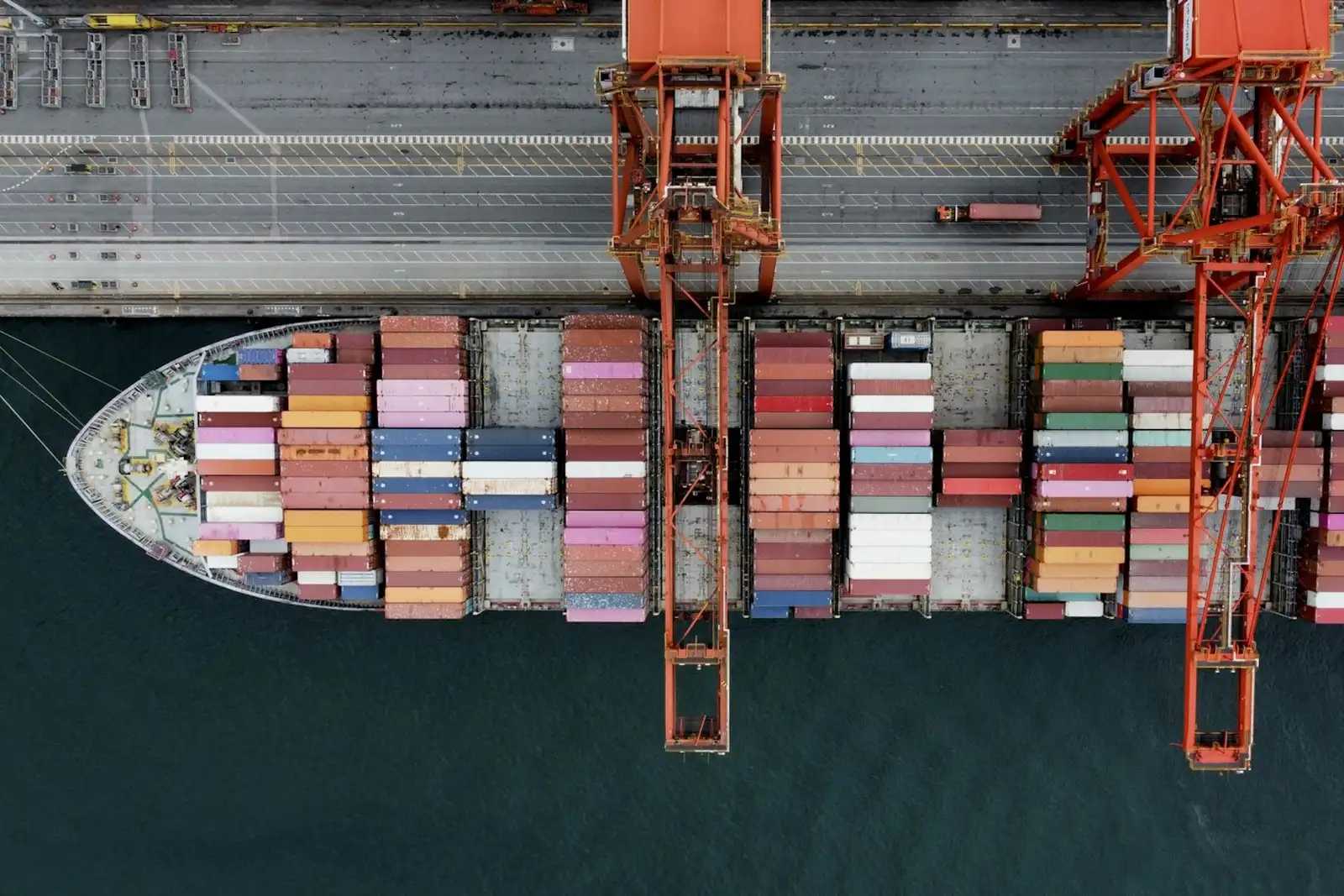
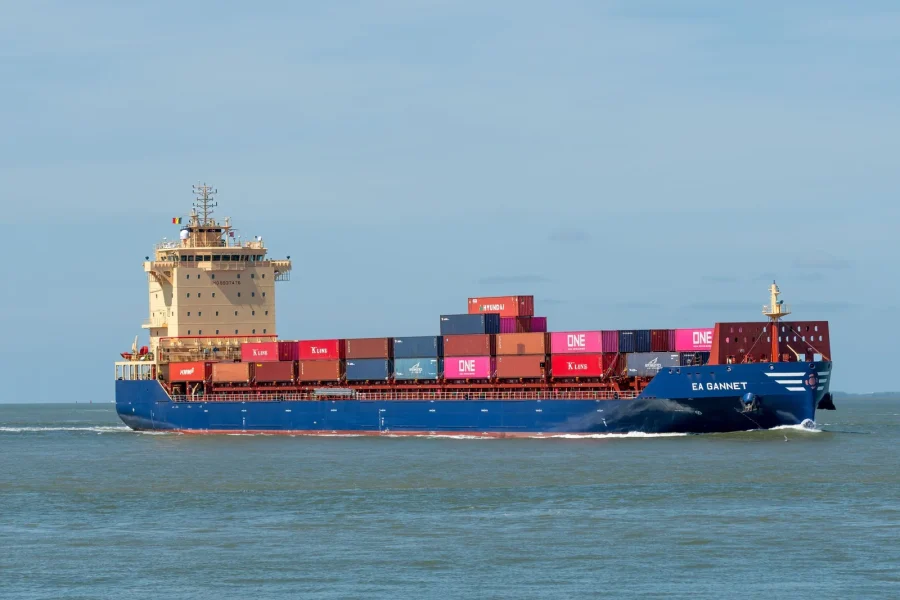
On logistics: a 20-foot container carries roughly 8–12 MT of bulk moringa leaf powder in 20–25 kg laminated food-grade bags (engineering estimate based on bulk density of 0.3–0.5 kg/L and practical palletisation; confirm with your forwarder). Indonesian export routes transit through Tanjung Priok (Jakarta) for western-Indonesia origin and Tanjung Perak (Surabaya) for eastern-Indonesia and NTT/Flores origin, though routing depends on the specific processor location. Lead time from confirmed purchase order to shipment is typically quoted in the 4–6 week range for herb powders (including production, third-party lab testing, and booking), but this is a general herbal-trade norm, not a committed Indonesia-specific figure. Confirm with your supplier at the PO stage.
Certifications: What the Stack Looks Like
No single certificate clears moringa powder for US or EU import. The certification requirement is a stack, and which layers matter depends on your destination market and your product category.
For US Supplement Brands
Your foreign supplier’s processing facility must be registered with FDA under 21 CFR Part 1 Subpart H (biennial renewal; requires a US agent). As the importer, you are the responsible party under FSMA’s FSVP rule (21 CFR Part 1 Subpart L): you must conduct a hazard analysis, evaluate your supplier, verify their controls through a combination of audits and lot testing, maintain records, and have a corrective-action plan. If your product will be sold as a dietary supplement under DSHEA, you must also meet cGMP requirements under 21 CFR Part 111 — identity testing, specification-setting, batch records, and contaminant limit testing are all your responsibility as the manufacturer or re-packer, not the foreign supplier’s alone. The FDA facility registration certificate your supplier shows you is a start, not a finish line.
For EU Food and Supplement Brands
The EU contaminant limits under Regulation (EU) 2023/915 apply at border. Organic product requires a Certificates of Inspection (COI) issued through the TRACES system by the exporting country’s control body. The exporting processor must be certified under a control body recognised by the EU, and equivalence arrangements have limits — dual USDA + EU-accepted certification is a cleaner position for buyers who ship to both markets. FSSC 22000 is a GFSI-recognised food safety management system and the standard most seriously requested by European buyers; ISO 22000 and HACCP are baseline, not differentiating.
One clarification on FCE/SID: you may encounter a buyer or broker requesting an FDA Food Canning Establishment (FCE) or Scheduled Identifier (SID) number for moringa powder. This applies to acidified and low-acid canned foods — it is not applicable to dried moringa leaf powder. If someone is asking for it, query their understanding before the conversation goes further.
Halal and Kosher
Both are market-driven requirements, not food-safety licenses. Indonesian suppliers are generally well-positioned for Halal certification given the domestic regulatory infrastructure. Kosher certification requires a separate arrangement with a recognised certifying agency. If your formulation requires both, confirm this with your supplier early — it affects which processing facility and which co-manufacturers they can use.
How to Read the COA Your Supplier Sends You
A moringa leaf powder COA has several standard sections. Here is what to look at and what to look for:
- Identification block
- Product name must say “Moringa oleifera leaf powder” — not just “moringa powder,” not “moringa extract.” Lot number, production date, and best-by date should be specific to the batch in front of you, not a generic certificate. If the lot number does not match your purchase order, stop and query it.
- Physical description
- Fine, free-flowing powder; colour described as bright green or dark green. If the COA says “green to brownish” and your spec calls for bright green, that is a mismatched lot. Colour deviation is a proxy for heat damage, oxidation, or age.
- Moisture (LOD)
- Should be below 8–10% at minimum; below 7.5% is preferable for long transit. A COA showing 12% moisture on a lot bound for a six-week ocean transit is a mould risk. Do not accept it.
- Protein
- Expect 24–30 g per 100 g dry weight. A COA claiming 38% protein deserves a question about method and leaf variety. It may be accurate for a specific high-protein cultivar under specific conditions, but it is well outside the defensible range established in peer-reviewed literature and should trigger independent verification before you make label claims from it.
- Salmonella
- Should read: “Not detected in 25 g” with the method stated (PCR or cultural method preferred) and the testing laboratory identified. An in-house result from the supplier’s own lab is not independent verification. A result from an accredited third-party lab is. The date of the test matters: a COA that is more than 30 days old for a Salmonella result on a lot you are receiving in a month tells you nothing about what happened to the product in between.
- Heavy metals
- Should show results for lead (Pb), cadmium (Cd), arsenic (As), and mercury (Hg) individually. For arsenic, ask whether the figure is total arsenic or inorganic arsenic. If your spec requires inorganic arsenic below a threshold and the COA only reports total arsenic, you need a supplementary test. California-bound product in particular warrants careful review of your Prop 65 exposure for both lead and cadmium.
- Yeast and mould
- Look at the absolute number and the method. A result of “<10 CFU/g” means the detection limit was 10 CFU/g — the actual count might be zero. A result of “10,000 CFU/g” is at the outer edge of many buyer specs and should prompt a discussion about storage conditions and whether the product will be further processed before use.
- ETO / pesticide residue
- EU-bound lots should show ETO (ethylene oxide plus 2-chloroethanol sum) below 0.01 mg/kg. If this line is missing from a COA for an EU-destined lot, ask for it specifically. The 2020–2021 RASFF crisis centred on Indian sesame and herbs fumigated with ETO — it is a live category risk, not historical.
Adulteration: What to Watch For
Moringa leaf powder adulteration is underreported in B2B sourcing channels because no seller will volunteer that their product might be adulterated. The common adulterants in the commodity-grade trade include cheaper dried leaves (cassava leaf, spinach, henna), added starch, and in the worst cases, synthetic colour used to brighten a faded batch. A visually bright green powder produced at speed from wilted or sun-stressed leaf may have been colour-corrected. This is a food-safety issue, not just a quality issue.
Laboratory methods to specify in your incoming-QC protocol: total ash and acid-insoluble ash (elevated acid-insoluble ash suggests sand, grit, or stem material; deviation from expected ash in the 7–10% dry-weight range raises adulteration flags); protein and fibre patterning (cassava filler shifts the ratio); microscopy for leaf morphology; and for serious cases, ATR-FTIR spectroscopy or DNA-based methods. Springer-published research on moringa adulteration detection using ATR-FTIR exists and is worth pulling for your QC team’s reference library.
Sourcing Hub: Explore the Full Guide
This page is the entry point. The detailed reference material is across the site:
- Wholesale hub — MOQ tiers, container calculations, private-label options
- Grades and specifications — full parameter tables by application (capsule, beverage, cosmetic)
- Lab testing guide — third-party lab selection, test panels, how to challenge a COA
- Organic moringa — NOP vs EU organic, equivalence gaps, dual-certification logistics
- Export and compliance — FDA facility registration, FSVP, EU entry documentation, AU requirements
- Indonesia vs India sourcing guide — honest origin comparison on price, scale, drying culture, and certification maturity
Ready to source? Send a sourcing brief to our enquiry form, email bd@juaraholding.com, or WhatsApp us at +62 811-3941-4563. Include your application, target spec, volume per shipment, destination, and any certification requirements. We will match your brief to our vetted processing partner and come back with a quote, sample terms, and a facility overview within one business day.
Frequently Asked Questions
What is the minimum order quantity for bulk moringa leaf powder from Indonesia?
Indonesia-specific MOQ data is not reliably published in public-facing trade sources, so we will not print a number here and have it mislead your planning. India-based processors commonly list 250–500 kg MOQs for bulk powder, with some listing as low as 50 kg and others requiring full pallet quantities. Indonesian suppliers vary — send us your target volume and we will confirm what our vetted processing partner can accommodate, including whether sample orders below 25 kg are available before you commit to a commercial shipment.
How do I know if a moringa powder supplier’s COA is reliable?
The first question is independence: was the certificate issued by a third-party accredited laboratory, or is it an in-house supplier test? Third-party results from a GFSI-recognised or ISO 17025-accredited lab carry weight; in-house COAs do not. The second question is lot-specificity: does the lot number on the COA match the lot number on the bags you are receiving? A generic certificate not tied to your specific production batch is functionally useless. Third: date. Salmonella test results should be recent — within 30 days of the lot’s production or packing date at most. Our lab-testing guide walks through every line of a typical moringa COA and what to accept, query, or reject.
Is Indonesian moringa powder cheaper than Indian moringa powder?
We cannot confirm that from verifiable public data. India’s established processing infrastructure and scale tend to anchor price competition in the category, but Indonesia-specific FOB pricing has no reliable multi-source benchmark available to this desk. Any supplier quoting you Indonesia FOB will be doing so based on their own production cost structure, not an industry-published rate card. Get quotes from multiple sources, including our partner referral, and compare on a total-landed-cost basis — factoring in freight from origin port, destination duty under your specific HS code, and third-party lab testing costs that you will incur regardless of origin.
What is the correct HS code for importing moringa leaf powder into the US and EU?
There is no single HS code universally titled “moringa leaf powder.” US importers commonly use 1211.90 (plants and parts of plants used in pharmacy or perfumery); EU classification often lands under 0712.90.90 (other dried vegetables). The correct 6-to-10 digit code for your specific product, destination, and end-use classification must be confirmed by your licensed customs broker — misclassification at entry is a compliance problem, not just a cost problem, and this desk does not provide customs advice.
What should I do if I receive a shipment that fails Salmonella testing?
Stop distribution immediately and do not release the lot to any customer. Notify your regulatory affairs team and your logistics provider. In the US, FDA requires prior notice of food imports, and a Salmonella failure on an imported food product may trigger a detention notice, mandatory recall, or import alert depending on the strain and context — verify current FDA guidance with your legal counsel. Review your purchase contract for the supplier’s warranty, re-testing rights, and return or replacement terms; these should be in writing before you place any commercial order. Document the chain of custody from receipt to failed test. Our supplier-vetting guide covers how to structure purchase agreements to protect your position in exactly this scenario.